
www.industry-asia-pacific.com
29
'26
Written on Modified on
BASF expands menthol, linalool and citral production
New facilities increase capacity for menthol, linalool and citral, improving integrated production and supply reliability across Europe and Asia.
www.basf.com
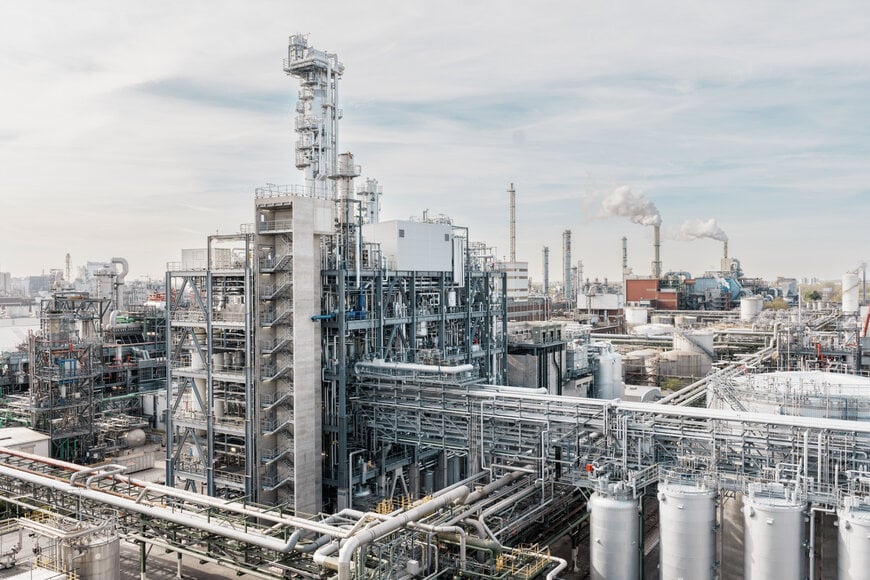
The new menthol plant in Ludwigshafen, Germany
Photo: BASF
BASF SE has commissioned new world-scale production facilities for menthol and linalool at its Ludwigshafen site in Germany, alongside a citral plant at its Verbund site in Zhanjiang, China, expanding its production network for these chemical compounds.
Commercial production at all three facilities began in April 2026, following construction and commissioning phases initiated in 2023.
Integration of citral, menthol and linalool production
The menthol and linalool plants in Ludwigshafen are integrated into BASF’s Verbund production system, where interconnected processes enable efficient use of raw materials, energy, and intermediate streams. Citral, produced in Zhanjiang, serves as a key precursor in the synthesis of both menthol and linalool, linking upstream and downstream production across sites.
This integration allows intermediate materials to be processed within a coordinated system, reducing external sourcing requirements and improving process efficiency.
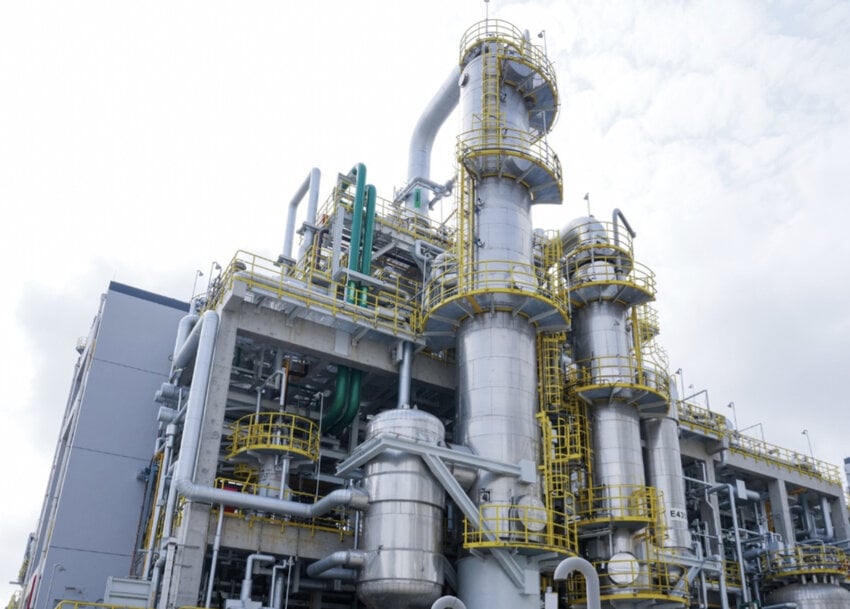
The new citral plant in Zhanjiang, China
Photo: BASF
World-scale capacity and industrial applications
The new facilities operate at large industrial scale, increasing output of menthol, linalool, and citral used in multiple sectors. Menthol is applied in oral care products, pharmaceutical formulations, and confectionery. Linalool is used in detergents, personal care formulations, and fragrance compositions. Citral is used both as a fragrance compound and as a chemical intermediate in further synthesis processes.
Expanding production capacity for these substances supports consistent supply to manufacturers in consumer goods and chemical processing industries.
Regional production strategy and supply reliability
The citral plant in Zhanjiang strengthens regional production capabilities in Asia, enabling local supply while also feeding downstream processes in Europe. The Ludwigshafen site leverages established infrastructure and process integration for menthol and linalool production.
This distributed but connected production model reduces dependency on single-region supply and improves resilience against logistical disruptions.
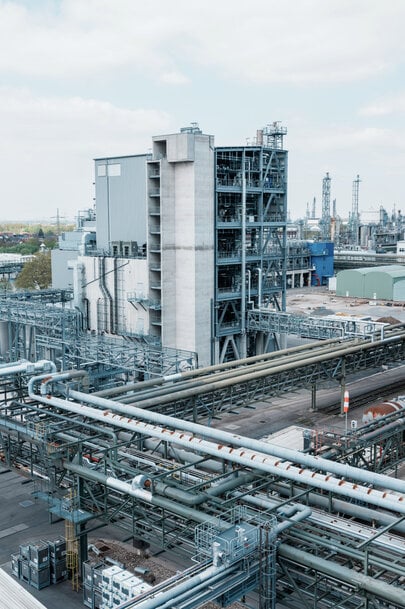
The new Linalool plant in Ludwigshafen, Germany
Photo: BASF
Project execution and operational integration
Construction of the facilities began in 2023 and was completed according to planned timelines and investment scope. The Ludwigshafen expansion represents a triple-digit million-euro investment and has created approximately 60 new jobs.
Since early 2026, the plants have been producing materials meeting specification requirements, with full commercial availability from April. Integration into existing production networks allows immediate utilization within BASF’s global operations.
Process efficiency and resource utilization
By integrating citral, menthol, and linalool production into the Verbund system, BASF SE optimizes resource use through shared utilities, heat integration, and by-product utilization. This reduces energy consumption per unit of output and improves overall process efficiency.
The expanded production network supports consistent availability of these chemical compounds while maintaining alignment with process efficiency and sustainability objectives.
Edited by Natania Lyngdoh, Induportals Editor — Adapted by AI.
www.basf.com
Photo: BASF
BASF SE has commissioned new world-scale production facilities for menthol and linalool at its Ludwigshafen site in Germany, alongside a citral plant at its Verbund site in Zhanjiang, China, expanding its production network for these chemical compounds.
Commercial production at all three facilities began in April 2026, following construction and commissioning phases initiated in 2023.
Integration of citral, menthol and linalool production
The menthol and linalool plants in Ludwigshafen are integrated into BASF’s Verbund production system, where interconnected processes enable efficient use of raw materials, energy, and intermediate streams. Citral, produced in Zhanjiang, serves as a key precursor in the synthesis of both menthol and linalool, linking upstream and downstream production across sites.
This integration allows intermediate materials to be processed within a coordinated system, reducing external sourcing requirements and improving process efficiency.
The new citral plant in Zhanjiang, China
Photo: BASF
World-scale capacity and industrial applications
The new facilities operate at large industrial scale, increasing output of menthol, linalool, and citral used in multiple sectors. Menthol is applied in oral care products, pharmaceutical formulations, and confectionery. Linalool is used in detergents, personal care formulations, and fragrance compositions. Citral is used both as a fragrance compound and as a chemical intermediate in further synthesis processes.
Expanding production capacity for these substances supports consistent supply to manufacturers in consumer goods and chemical processing industries.
Regional production strategy and supply reliability
The citral plant in Zhanjiang strengthens regional production capabilities in Asia, enabling local supply while also feeding downstream processes in Europe. The Ludwigshafen site leverages established infrastructure and process integration for menthol and linalool production.
This distributed but connected production model reduces dependency on single-region supply and improves resilience against logistical disruptions.
The new Linalool plant in Ludwigshafen, Germany
Photo: BASF
Project execution and operational integration
Construction of the facilities began in 2023 and was completed according to planned timelines and investment scope. The Ludwigshafen expansion represents a triple-digit million-euro investment and has created approximately 60 new jobs.
Since early 2026, the plants have been producing materials meeting specification requirements, with full commercial availability from April. Integration into existing production networks allows immediate utilization within BASF’s global operations.
Process efficiency and resource utilization
By integrating citral, menthol, and linalool production into the Verbund system, BASF SE optimizes resource use through shared utilities, heat integration, and by-product utilization. This reduces energy consumption per unit of output and improves overall process efficiency.
The expanded production network supports consistent availability of these chemical compounds while maintaining alignment with process efficiency and sustainability objectives.
Edited by Natania Lyngdoh, Induportals Editor — Adapted by AI.
www.basf.com
