
Boiler Retrofit Enhances Waste-to-Energy Plant Performance
Mitsubishi Heavy Industries Asia Pacific secures contract from National Environment Agency Singapore to upgrade the Tuas South Incineration Plant, extending operational life and improving stability.
www.mhi.com
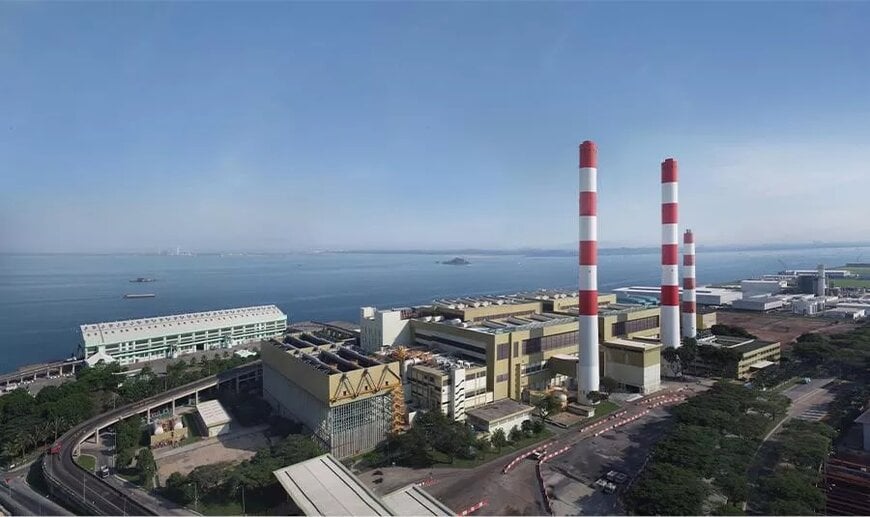
Mitsubishi Heavy Industries Asia Pacific (MHI-AP) has been awarded a contract to retrofit the boiler system at Singapore’s Tuas South Incineration Plant, aiming to improve operational reliability and extend the facility’s lifespan.
Context: Maintaining performance in ageing waste-to-energy assets
Waste-to-energy (WtE) plants play a critical role in urban waste management and energy recovery. However, ageing infrastructure can face challenges in maintaining throughput, efficiency, and reliability.
Retrofitting key systems such as boilers enables operators to extend plant life while ensuring continued compliance with environmental and operational requirements.
Project scope: Design, construction, and operational support
The retrofit project will be executed by Mitsubishi Heavy Industries Environmental & Chemical Engineering and includes design modifications, construction, and post-completion operational support.
The work focuses on upgrading boiler components, including sections of the boiler tubes, to improve performance and reliability under continuous operation.
Completion of the project is scheduled for the fourth quarter of 2027.
Facility background: High-capacity waste processing
The Tuas South Incineration Plant, originally constructed by Mitsubishi Heavy Industries and commissioned in 2000, processes up to 3,000 tonnes of waste per day. It is operated and maintained by Singapore’s National Environment Agency.
The plant uses stoker-type incineration technology, a widely adopted method for municipal waste treatment, enabling continuous combustion and energy recovery.
Operational impact: Stability and lifecycle extension
The retrofit is designed to stabilise waste handling capacity while extending the operational life of the facility. By leveraging its role as the original plant designer, the MHI Group aims to optimise the refurbishment scope and minimise operational disruption.
Post-retrofit support will ensure sustained plant performance and reliability over the long term.
Strategic significance: Supporting sustainability goals
The project aligns with Singapore’s broader goals for sustainable waste management and decarbonisation. Waste-to-energy facilities contribute to reducing landfill use while generating energy from municipal waste streams.
MHI Group’s continued involvement in Singapore’s WtE sector reflects a long-term commitment to infrastructure development, including operations, maintenance, and lifecycle services.
Conclusion: Extending value through retrofit solutions
The Tuas South Incineration Plant retrofit highlights the role of targeted upgrades in maintaining critical infrastructure. By combining engineering expertise with lifecycle support, the project supports continued efficiency and sustainability in waste-to-energy operations.
Edited by an industrial journalist, Lekshman Ramdas, with AI assistance.
www.mhi.com
