
www.industry-asia-pacific.com
25
'26
Written on Modified on
Kardex deploys APAC’s first AutoStore StarterGrid solution
Kardex Malaysia has implemented the region’s first Kardex AutoStore StarterGrid system with Fordcon Jaya.
www.kardex.com
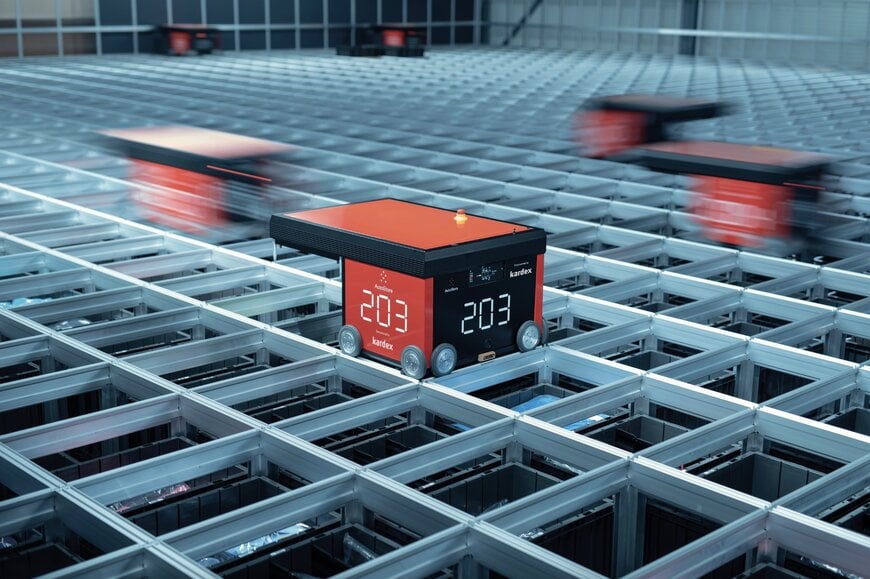
Kardex Malaysia has completed the deployment of a standardized cubic storage and retrieval solution in collaboration with Fordcon Jaya Sdn Bhd to automate automotive component warehousing.
The project involves the installation of a modular StarterGrid system to transition manual warehousing processes into an automated intralogistics environment. This technical approach addresses the requirement for space optimization and picking efficiency within the automotive spare parts distribution sector.
Technical Performance and Modular Grid Mechanics
The localized installation represents the first deployment of this specific ultra-compact configuration in the Asia-Pacific region. The hardware architecture utilizes a self-supporting grid structure where inventory bins are stacked vertically, eliminating wasted structural space between storage rows. Autonomous robots traverse the top tier of the grid to execute bin-shuffling and retrieval operations, delivering parts directly to ergonomic operator workstations. This standardized, modular footprint allows the distributor to scale storage capacity and robotic throughput independently without requiring permanent modifications to the facility’s civil infrastructure.
Operational Reliability and Lifecycle Management
Shifting away from manual cart-pushing and shelf-searching processes minimizes human picking error and lowers warehouse occupational safety risks. The integrated control software logs real-time asset tracking and bin status variables, providing complete visibility over parts availability for regional distribution centers. By standardizing components and leveraging local service footprints, the system establishes a scalable and future-ready intralogistics platform that protects downstream supply chain timelines during peak market demand cycles.
Additional Context
This section details technical specifications and competitive benchmarking not included in the original news announcement.
In comparison to standard crane-based automated storage and retrieval systems (AS/RS) or conventional autonomous mobile robots (AMRs) utilized by regional competitors, the specialized grid architecture achieves a significantly higher storage density, reducing the required warehouse footprint by up to 60%. While standard AMRs require wide floor pathways to maneuver transport racks horizontally, the ultra-compact grid configuration relies on vertical stacking, allowing thousands of automotive SKUs to be managed in a tightly enclosed area.
Technical benchmarks indicate that the system's software control loops minimize path-planning and retrieval latency, supporting continuous pick-and-pack operations. Furthermore, by stripping out heavy, high-maintenance chain conveyors and large physical elevators, the modular robot fleet operates with reduced energy consumption, lowering absolute operational overhead while maintaining a system availability benchmark that supports long-term fleet modernization.
Edited by Romila DSilva, Induportals Editor, with AI assistance.
www.kardex.com
