
Weighing technology strengthens chemical production control
Minebea Intec solutions improve data-driven weighing and inspection to enhance process stability, traceability, and efficiency in chemical manufacturing.
www.minebea-intec.com
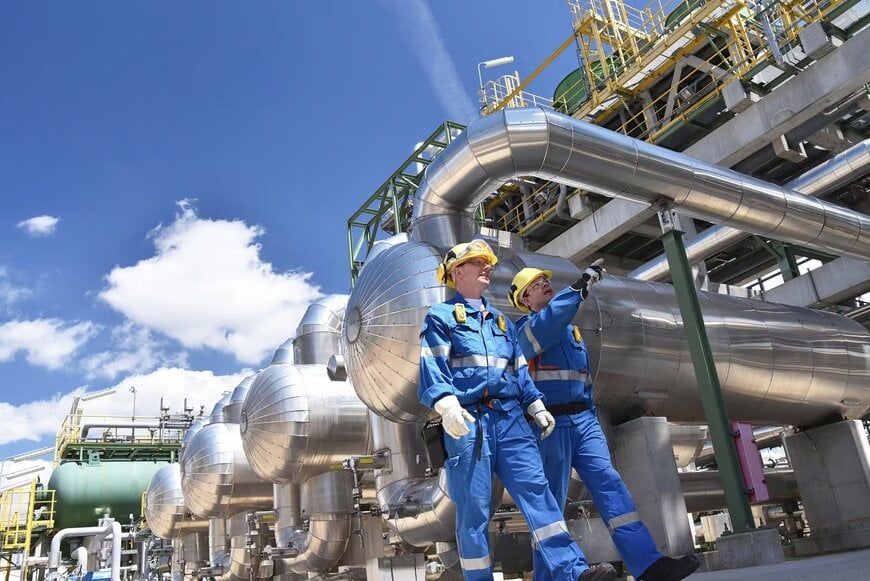
The chemical industry is facing growing economic and regulatory pressure, particularly in Europe. Rising energy costs, volatile raw material markets, and global competition are impacting cost structures, while stricter compliance and documentation requirements are increasing operational complexity.
In this context, two factors are becoming critical: transparency in material flows and high plant availability. Accurate data collection and stable processes are essential to maintaining efficiency, avoiding downtime, and ensuring consistent product quality.
From measurement to strategic process control
Minebea Intec positions industrial weighing and inspection technology as a core component of digitalized production systems.
What was previously considered a functional measurement task now plays a broader role in ensuring data quality, traceability, and operational reliability. Integrated systems enable measured values to be used not only for control but also for process optimization and compliance.
Raw material intake: ensuring data accuracy from the start
Chemical production begins with the accurate weighing of incoming raw materials. Even minor deviations in recorded weight can affect material balances and production costs, particularly for high-value intermediates.
Load cell technologies used in truck scales enable verified and tamper-resistant measurements of bulk deliveries. When integrated with enterprise systems, these measurements form the first step in a continuous digital data chain, supporting traceability and inventory control.
Silo and process weighing: stabilizing production
Within production, gravimetric measurement ensures precise dosing and consistent recipe execution. This is particularly important for reactive or sensitive materials where deviations can affect downstream processes.
Advanced load cells and mounting systems support stable measurements under challenging conditions, including large structural loads, vibration, and dynamic forces. These systems also contribute to plant safety, particularly in environments requiring hygienic design or seismic resilience.
Decentralized weighing and compliance
Large-scale plants rely on multiple decentralized weighing points for tasks such as additive dosing and batch processing. These systems must deliver consistent and reproducible results under harsh industrial conditions.
Modern industrial scales support a wide range of load capacities and are designed for durability in environments with dust, vibration, and frequent cleaning. Integrated features such as user access control, data logging, and audit-compliant storage enhance traceability and regulatory compliance.
Inspection systems for product safety
As quality requirements increase, inspection technologies play a growing role in risk mitigation. Metal detectors and X-ray systems enable the identification of foreign bodies in raw materials and processed products.
In addition, dynamic checkweighing systems verify product weight inline, ensuring compliance with specifications and reducing the risk of non-conforming products reaching customers.
These inspection systems create multiple control points within production, improving both product quality and equipment protection.
Data integration and operational transparency
The value of weighing and inspection technologies depends on how effectively data is integrated and utilized. Centralized software platforms consolidate measurement data, enabling real-time monitoring of production performance, material usage, and deviations.
Such systems provide a structured basis for decision-making, quality assurance, and audit processes. By transforming isolated measurements into a connected data ecosystem, manufacturers gain improved visibility and control over operations.
Operational impact and industry relevance
The combination of precision measurement, robust hardware, and digital integration supports:
- Improved process stability and reduced downtime
- Enhanced traceability and regulatory compliance
- More accurate material management and cost control
- Early detection of deviations and quality risks
In an environment shaped by economic uncertainty and regulatory demands, these capabilities contribute directly to operational resilience.
Outlook for data-driven chemical production
As the chemical industry continues to evolve, the role of measurement and inspection technologies is expanding. Systems that combine accuracy, durability, and data transparency enable manufacturers to adapt to changing market conditions while maintaining efficiency and compliance.
By integrating these technologies into core production processes, companies strengthen their ability to operate reliably in increasingly complex and competitive environments.
Edited by an industrial journalist, Lekshman Ramdas, with AI assistance.
www.minebea-intec.com
