
www.industry-asia-pacific.com
16
'26
Written on Modified on
Lockheed Martin Advances Japan SPY-7 Radar Localization
Fujitsu will manufacture a critical SPY-7 radar power supply unit for Japan’s Aegis System Equipped Vessel, strengthening domestic defense production and long-term fleet support.
www.lockheedmartin.com
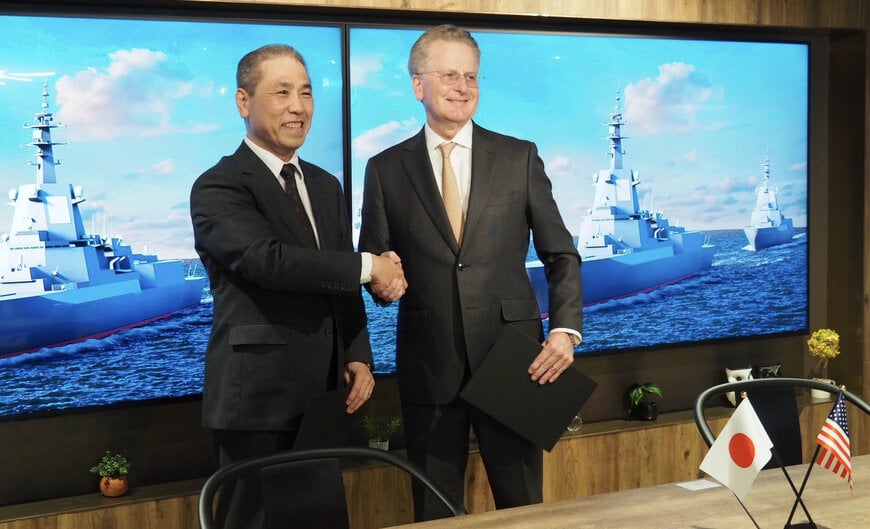
In naval defense systems and integrated air and missile defense architectures, radar subsystem reliability and supply chain resilience are critical to operational readiness. Lockheed Martin and Fujitsu Limited have formalized industrial collaboration for Japan’s Aegis System Equipped Vessel (ASEV) program, initiating domestic production of a key SPY-7 radar component.
The agreement confirms Fujitsu as the supplier of the SPY-7 Subarray Suite Power Supply Line Replaceable Unit (PS LRU), a core module within the radar antenna system. The first purchase order marks the transition from framework cooperation to active co-production.
Role of the PS LRU in SPY-7 radar architecture
The SPY-7 radar is a solid-state, active electronically scanned array (AESA) system designed for advanced detection, tracking and multi-target engagement in maritime environments. Within this architecture, the Subarray Suite Power Supply LRU provides regulated and reliable electrical power to radar subarrays, directly influencing signal integrity, system uptime and maintainability.
Line Replaceable Units are engineered for rapid field replacement, minimizing vessel downtime and supporting high operational availability. Localized production of such LRUs enables faster maintenance cycles and reduced logistical dependency on overseas supply chains.
Industrial localization and lifecycle support
In May 2025, Lockheed Martin and Fujitsu signed a memorandum of understanding to establish Fujitsu as a source for the SPY-7 PS LRU. The newly formalized purchase order advances this cooperation into the production phase.
Establishing a Japan-based supply chain for ASEV’s SPY-7 radar supports:
- Long-term fleet sustainment
- Reduced lead times for maintenance and replacement
- Domestic industrial capability development
- Greater resilience in defense logistics
For complex radar systems integrated into the Aegis Combat System, lifecycle support is as critical as initial system performance. Industrial collaboration ensures continuity of technical knowledge, manufacturing capability and maintenance infrastructure.
SPY-7 performance and system integration
The SPY-7 radar is designed to provide enhanced detection and tracking performance compared with legacy SPY-1 systems. Its digital beamforming and solid-state architecture allow simultaneous tracking and engagement of multiple airborne and ballistic threats.
The system is interoperable with the Aegis Combat System and compatible with multi-domain defense architectures. This interoperability supports integrated air and missile defense operations in evolving threat environments, particularly within the Indo-Pacific region.
Strategic implications for Japan’s defense sector
For Japan’s ASEV fleet, securing domestic production capability for critical radar components strengthens operational independence and industrial participation in advanced defense technologies.
By combining Lockheed Martin’s radar system architecture with Fujitsu’s manufacturing and systems integration expertise, the collaboration supports long-term sustainment while reinforcing Japan’s domestic defense production base.
The agreement represents a structured step toward deeper industrial integration within the ASEV program, aligning advanced radar technology deployment with localized production and maintenance capabilities.
www.lockheedmartin.com
SPY-7 performance and system integration
The SPY-7 radar is designed to provide enhanced detection and tracking performance compared with legacy SPY-1 systems. Its digital beamforming and solid-state architecture allow simultaneous tracking and engagement of multiple airborne and ballistic threats.
The system is interoperable with the Aegis Combat System and compatible with multi-domain defense architectures. This interoperability supports integrated air and missile defense operations in evolving threat environments, particularly within the Indo-Pacific region.
Strategic implications for Japan’s defense sector
For Japan’s ASEV fleet, securing domestic production capability for critical radar components strengthens operational independence and industrial participation in advanced defense technologies.
By combining Lockheed Martin’s radar system architecture with Fujitsu’s manufacturing and systems integration expertise, the collaboration supports long-term sustainment while reinforcing Japan’s domestic defense production base.
The agreement represents a structured step toward deeper industrial integration within the ASEV program, aligning advanced radar technology deployment with localized production and maintenance capabilities.
www.lockheedmartin.com
