
www.industry-asia-pacific.com
11
'26
Written on Modified on
Tetra Pak extends paper-based barrier to A3/Speed lines
Paper-based aseptic carton technology now compatible with high-speed filling machines, enabling 87% renewable content and 26% lower carbon footprint in plant-based beverages.
www.tetrapak.com
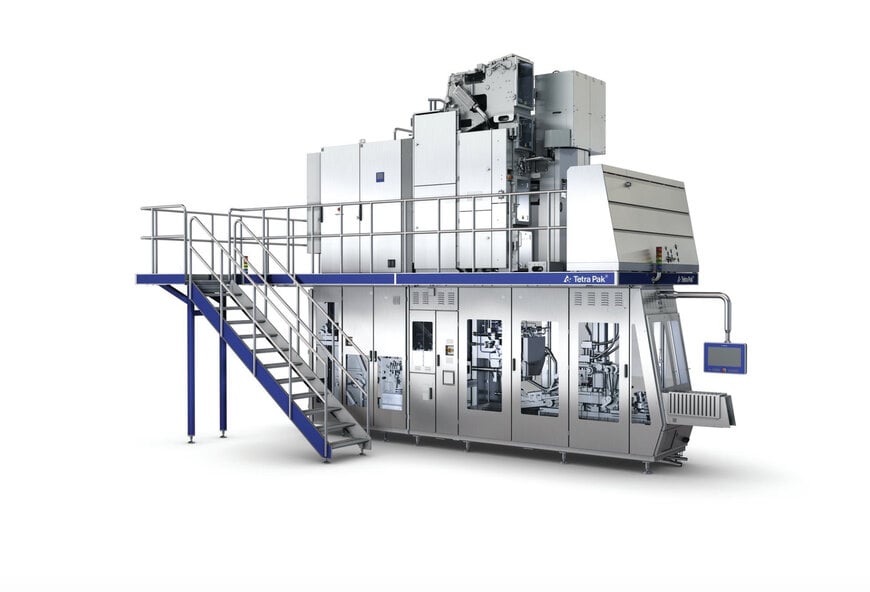
In the beverage packaging and food processing industry, particularly within the plant-based drinks segment, manufacturers are under increasing pressure to reduce carbon emissions while maintaining food safety and high production speeds. Tetra Pak has expanded its paper-based barrier technology to high-speed Tetra Pak® A3/Speed filling lines, enabling industrial-scale deployment of renewable packaging materials in Asia.
Maeil Dairies in South Korea has become the first producer globally to implement this solution for soy milk on a Tetra Pak® A3/Speed machine, marking a significant step in aligning sustainable packaging with high-throughput aseptic production.
Paper-based barrier replaces aluminium layer
The new packaging solution replaces the conventional aluminium foil layer used in aseptic cartons with an innovative paper-based barrier. The objective is to maintain equivalent levels of food protection and shelf life while reducing material complexity and carbon intensity.
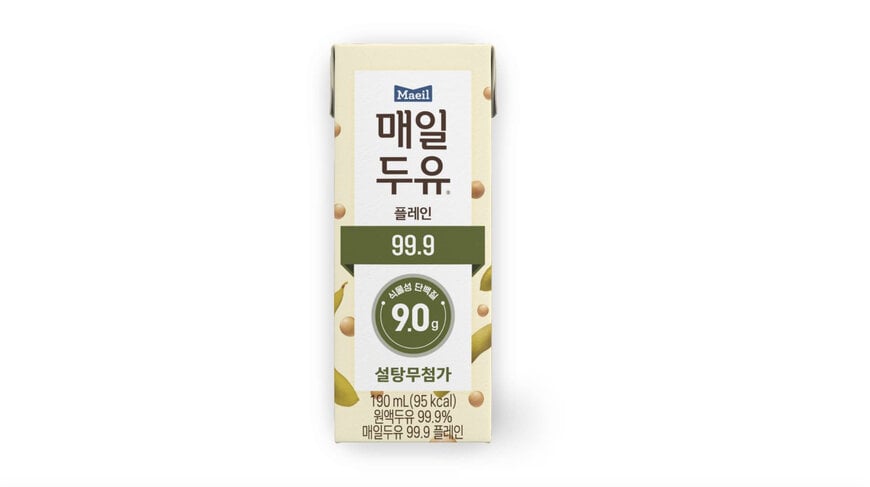
When combined with plant-based polymers derived from sugarcane, the Tetra Brik® Aseptic 200 Slim carton used for Maeil Soy Milk 99.9 achieved 87% renewable content and delivered a 26% reduction in package carbon footprint, as verified by the Carbon Trust.1
Structurally, the innovation reduces the material composition from three primary components to two. This simplification supports improved recycling outcomes, including more efficient fibre recovery and higher-quality separation of fibre and non-fibre fractions during carton recycling processes.
High-speed compatibility for industrial deployment
A key technical milestone is the compatibility of the paper-based barrier with the Tetra Pak® A3/Speed filling machine. This platform delivers up to 24,000 packages per hour while maintaining aseptic conditions and low operational costs. The ability to run renewable-based packaging on high-speed lines addresses a major barrier to adoption: scalability.
Existing Tetra Pak® A3/Speed lines can be upgraded with a high-frequency induction-heating sealing system, allowing producers to transition to the new packaging material without extensive capital expenditure or production redesign. This ensures that sustainable packaging implementation does not compromise throughput, efficiency, or food safety standards.
According to Tatiana Liceti, Executive Vice President, Packaging Solutions at Tetra Pak, scaling sustainable packaging must remain aligned with operational performance, enabling beverage producers to adopt low-carbon packaging based on renewable materials without sacrificing efficiency or cost competitiveness.
First implementation in plant-based beverages
The project with Maeil Dairies represents the first application of Tetra Pak’s paper-based barrier in the plant-based beverage category. For producers in this segment, where brand positioning often emphasizes sustainability, packaging materials play a strategic role in reducing lifecycle emissions.
Maeil Dairies has positioned this packaging change as part of its broader environmental strategy while maintaining its established presence in the low-sugar soy milk market.
From pilot innovation to regional rollout
The world’s first aseptic beverage carton using this paper-based barrier technology was introduced in 2023. The current deployment on high-speed A3/Speed lines demonstrates the transition from technological validation to commercial-scale production.
By combining renewable fibre-based barriers with plant-based polymers, the packaging increases renewable content while reducing carbon footprint1, supporting producers facing tightening environmental targets and increasing consumer demand for low-impact packaging.
The expansion into Asia signals that paper-based barrier technology is no longer limited to pilot or low-volume applications. It is now compatible with industrial-scale aseptic production, offering beverage manufacturers a technically validated pathway toward lower-carbon, renewable packaging solutions.
1 Compared to the same reference package. Source: Carbon Trust™-verified Tetra Pak ‘Carton CO2 Calculator’ model version 12 (valid from 2026-01-01). Scope: cradle-to-grave measurement of a Tetra Brik® Aseptic 200 Slim carton with plant-based polymers in coating and paper-based barrier compared to a standard Tetra Brik® Aseptic 200 Slim package with aluminium foil and fossil-based polymers. Geography: global data.
www.tetrapak.com
