
www.industry-asia-pacific.com
11
'25
Written on Modified on
Tata Steel awards ANDRITZ order for acid regeneration plant
The system enhances pickling efficiency and environmental compliance at Port Talbot by regenerating waste acid, lowering emissions, and supporting future capacity expansion while improving resource utilization.
www.andritz.com
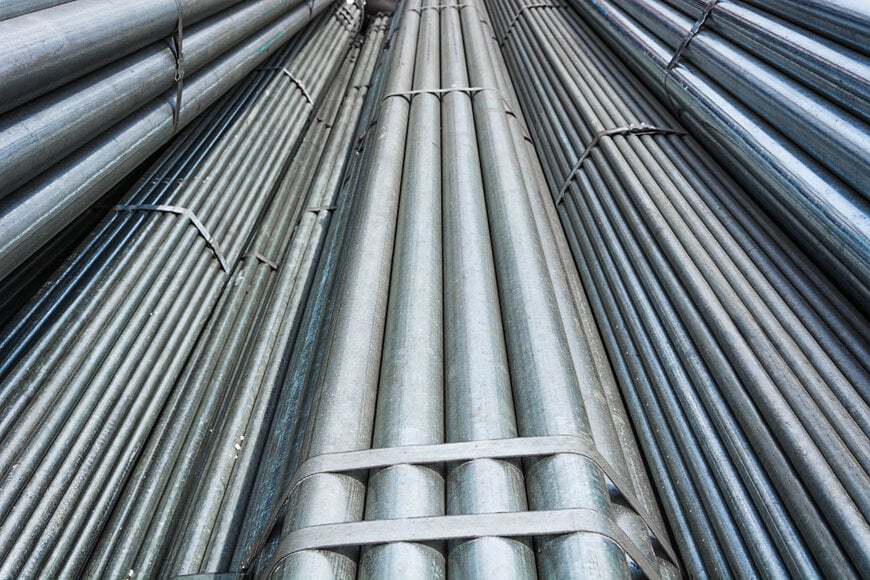
Reference image
ANDRITZ Acid Regeneration System Supports Tata Steel’s Expansion and Environmental Targets
Industrial pickling operations in steel manufacturing demand stable acid management, low emissions, and high recovery efficiency. To address these requirements at Tata Steel’s Port Talbot Works in Wales, ANDRITZ will supply a new acid regeneration plant engineered to meet the highest environmental and operational standards while supporting increased production capacity.
Technology Extension for Pickling Line Expansion
The plant is designed to regenerate up to 6,340 l/h of waste acid, enabling maximum reuse of process acid and significantly reducing waste generation. This capacity supports both current pickling throughput of 1,200,000 metric tons per year and the planned expansion to 1,800,000 mtpy.
By regenerating spent acid on-site, Tata Steel reduces dependency on imported fresh acid and avoids exporting large volumes of waste liquids. According to Tata Steel Project Manager Paul Boxer, this shift represents “a big step to decarbonize pickling operations,” as it lowers transport-related impacts and improves overall sustainability.
Emission Control and Energy Efficiency
ANDRITZ integrates its latest exhaust cleaning technology, engineered to achieve emission levels well below regulatory thresholds. The system’s ECOmode function optimizes energy consumption during both current and future operating scenarios, contributing to Tata Steel’s environmental and efficiency goals.
These features position the plant as a high-performance solution for steel producers aiming to reduce operational emissions while maintaining production stability.
Automation, Control, and Operational Security
The new installation includes advanced process control, high automation levels, and modern cybersecurity features to support continuous, safe, and stable operation. Automated monitoring and regulation help maintain acid quality, manage throughput fluctuations, and ensure responsiveness to production demands.
The scope of supply covers the design and delivery of all mechanical and electrical equipment, including supervision of installation and commissioning.
Role Within Tata Steel’s Modernization Strategy
The project aligns with Tata Steel’s broader efforts to modernize operations, improve resource efficiency, and meet evolving environmental expectations. Commissioning of the plant is scheduled for late 2027, with the order included in ANDRITZ’s Q4 2025 intake.
By enabling closed-loop acid regeneration, the system enhances both operational resilience and environmental performance—key requirements for high-volume steel production facilities adapting to stricter regulatory frameworks.
www.andritz.com
ANDRITZ Acid Regeneration System Supports Tata Steel’s Expansion and Environmental Targets
Industrial pickling operations in steel manufacturing demand stable acid management, low emissions, and high recovery efficiency. To address these requirements at Tata Steel’s Port Talbot Works in Wales, ANDRITZ will supply a new acid regeneration plant engineered to meet the highest environmental and operational standards while supporting increased production capacity.
Technology Extension for Pickling Line Expansion
The plant is designed to regenerate up to 6,340 l/h of waste acid, enabling maximum reuse of process acid and significantly reducing waste generation. This capacity supports both current pickling throughput of 1,200,000 metric tons per year and the planned expansion to 1,800,000 mtpy.
By regenerating spent acid on-site, Tata Steel reduces dependency on imported fresh acid and avoids exporting large volumes of waste liquids. According to Tata Steel Project Manager Paul Boxer, this shift represents “a big step to decarbonize pickling operations,” as it lowers transport-related impacts and improves overall sustainability.
Emission Control and Energy Efficiency
ANDRITZ integrates its latest exhaust cleaning technology, engineered to achieve emission levels well below regulatory thresholds. The system’s ECOmode function optimizes energy consumption during both current and future operating scenarios, contributing to Tata Steel’s environmental and efficiency goals.
These features position the plant as a high-performance solution for steel producers aiming to reduce operational emissions while maintaining production stability.
Automation, Control, and Operational Security
The new installation includes advanced process control, high automation levels, and modern cybersecurity features to support continuous, safe, and stable operation. Automated monitoring and regulation help maintain acid quality, manage throughput fluctuations, and ensure responsiveness to production demands.
The scope of supply covers the design and delivery of all mechanical and electrical equipment, including supervision of installation and commissioning.
Role Within Tata Steel’s Modernization Strategy
The project aligns with Tata Steel’s broader efforts to modernize operations, improve resource efficiency, and meet evolving environmental expectations. Commissioning of the plant is scheduled for late 2027, with the order included in ANDRITZ’s Q4 2025 intake.
By enabling closed-loop acid regeneration, the system enhances both operational resilience and environmental performance—key requirements for high-volume steel production facilities adapting to stricter regulatory frameworks.
www.andritz.com
